

About the project
EU for Economic Development – Tourism and Local Economic Development
with a Focus on Cultural Heritage
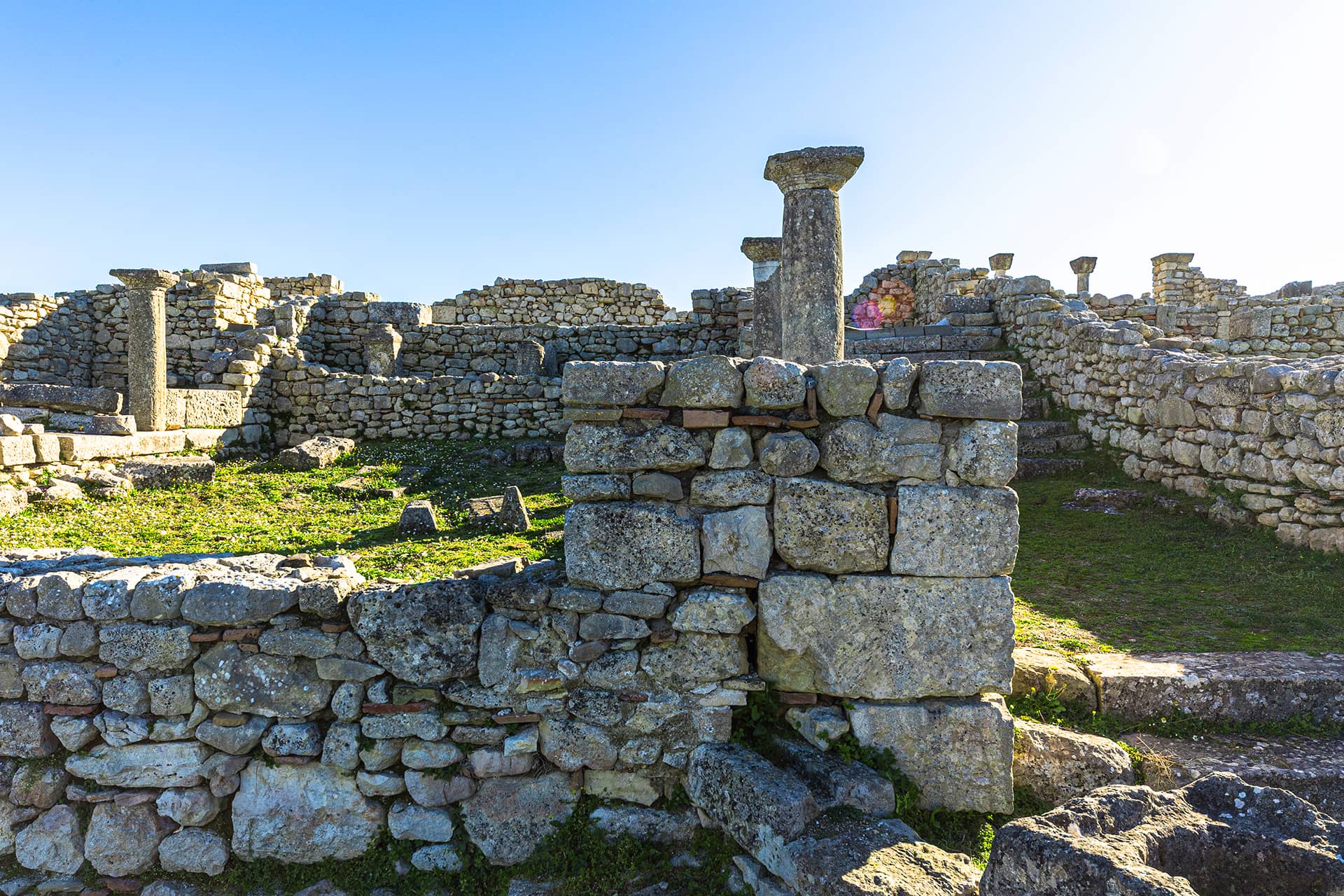
The Byllis and Klos Archaeological Park is an initiative aimed at protecting, revitalizing, and promoting one of Albania’s most important cultural heritage sites. Located in the hills of Mallakastër and overlooking the wild Vjosa River, the ancient cities of Byllis and Klos represent one of the country’s most significant archaeological sites, with a rich Illyrian, Roman, and Byzantine legacy—but which have long remained underdeveloped and at risk due to a lack of infrastructure and funding.
Project Objective
The Byllis and Klos Archaeological Park (BKAP) is a major initiative supported by the European Union and the Italian Agency for Development Cooperation (AICS), aiming to safeguard and promote two of Albania’s most important cultural heritage sites. These ancient cities, rich in Illyrian, Roman, and Byzantine history, have remained underdeveloped for years due to limited infrastructure and investment. BKAP will implement the first legally binding, community-based Management and Conservation Plan to ensure their long-term protection and use. Through inclusive and sustainable development, the project will increase visitor numbers, support local tourism and education, and turn Byllis and Klos into leading destinations for cultural and economic growth.
Key Features of the project:
Community-Led Local Development (CLLD): Residents, including youth, farmers, and women entrepreneurs, help shape the park’s future.
Open Construction Site Approach: Live conservation work is open to public observation, with workshops and training for locals and visitors.
Cultural Ecosystem Strategy: Heritage is treated as a living system involving archaeology, local creativity, education, tourism, and small business development.
PLANNED INTERVENTIONS
(2024–2027):
Restoration of key monuments and mosaics (e.g., Basilica B)
Infrastructure upgrades: pathways, signage, inclusive access
Creation of interpretive, educational, and digital experiences
Training for local tourism and cultural service providers
Development of a Government-approved Management Plan
Establishment of Local Action Groups and Development Funds
EXPECTED RESULTS
Conservation of major archaeological assets
Improved visitor infrastructure and access
Increased community participation and economic opportunity
Vision for the Future (2030+):
BKAP will serve as a national model for sustainable archaeological park management, blending preservation with education, economic development, and cultural pride.