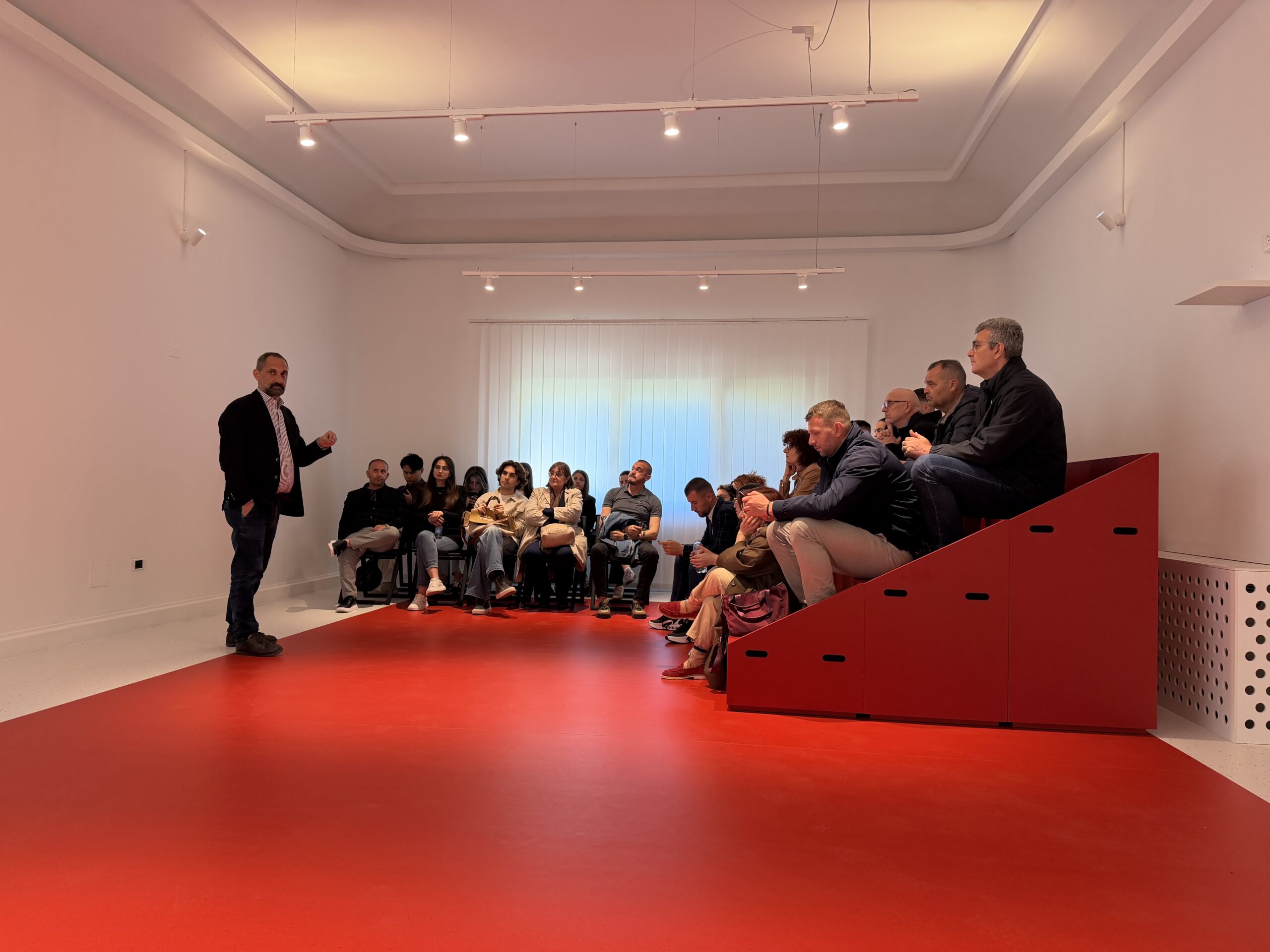
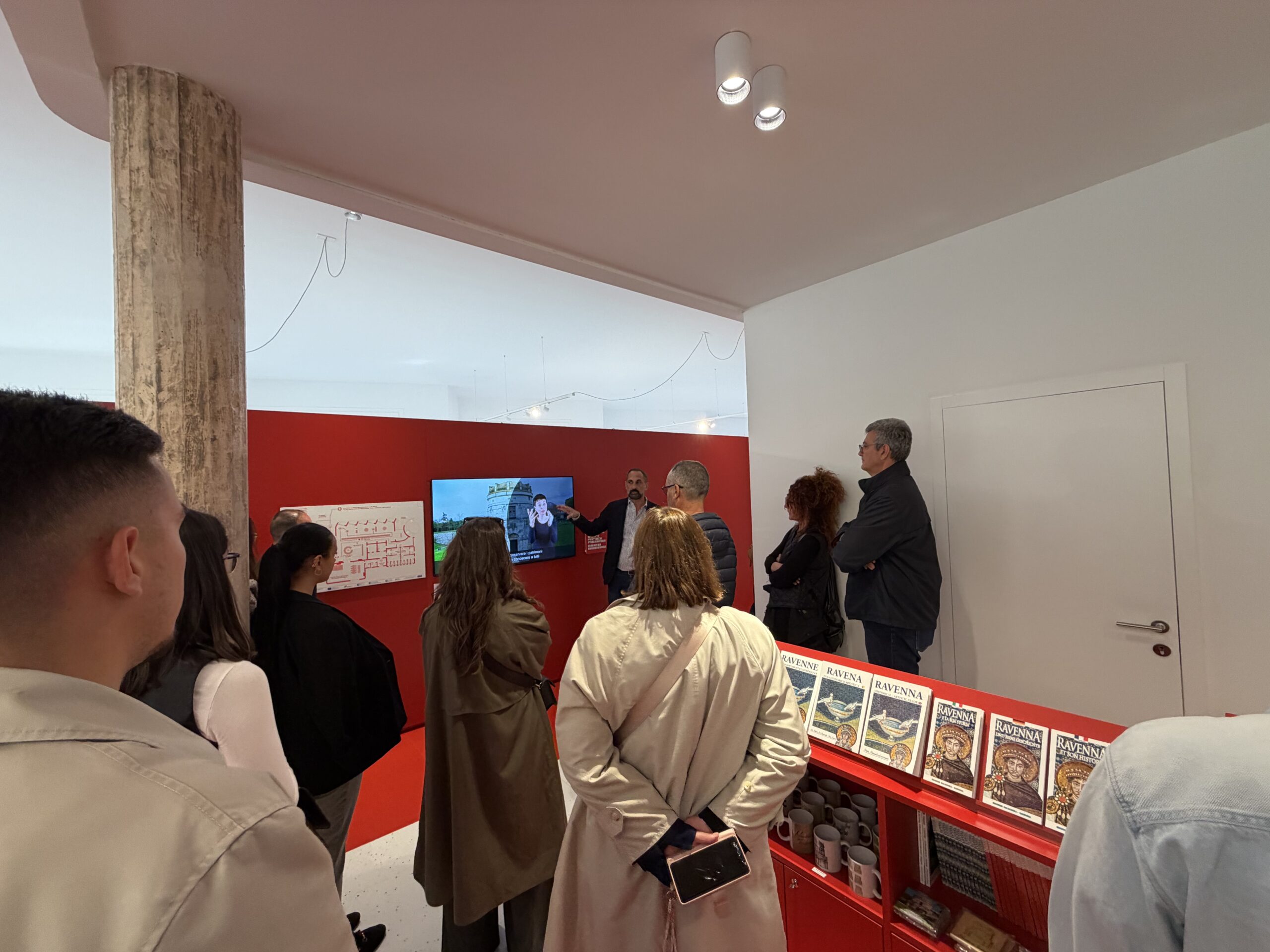
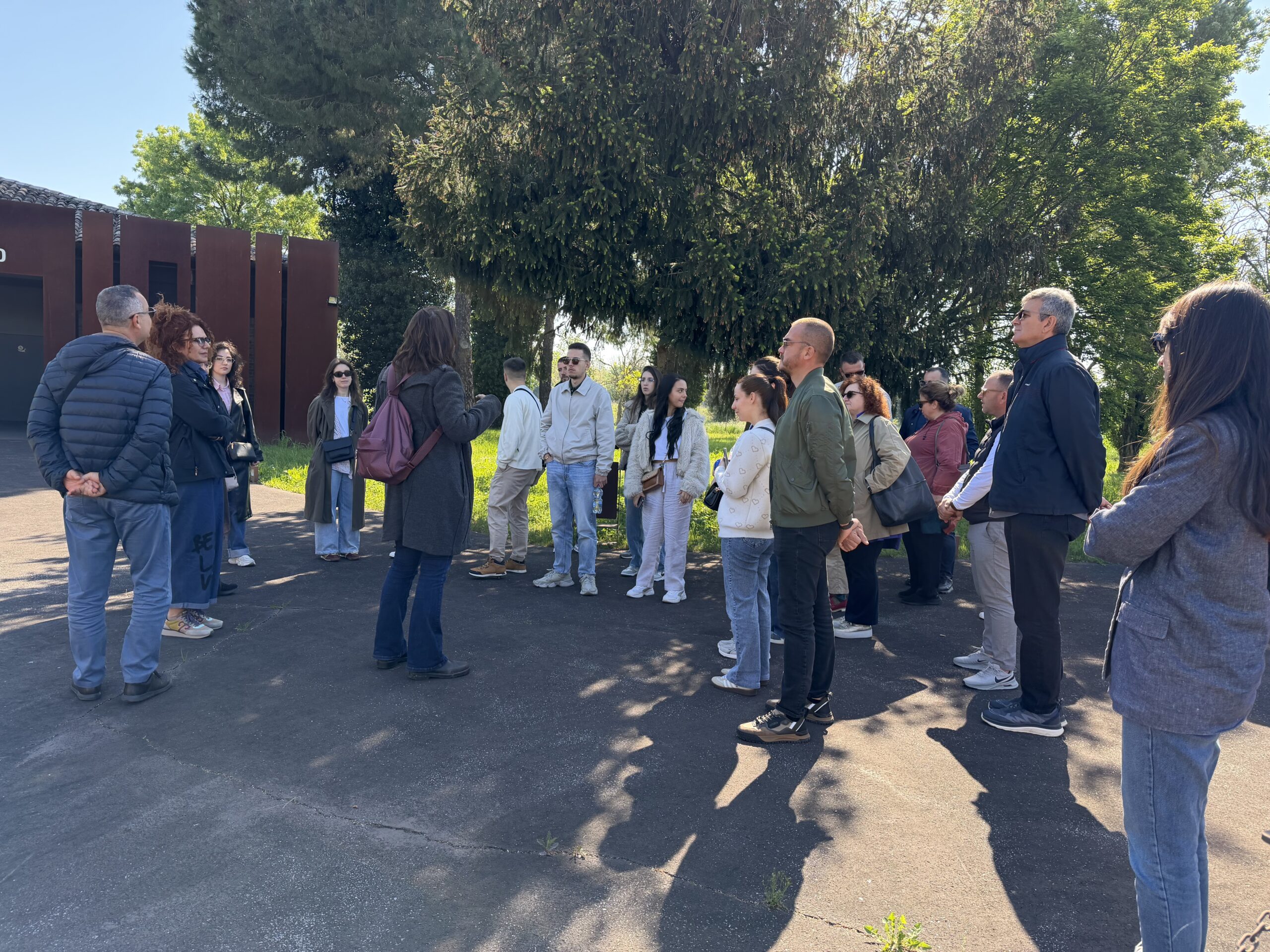
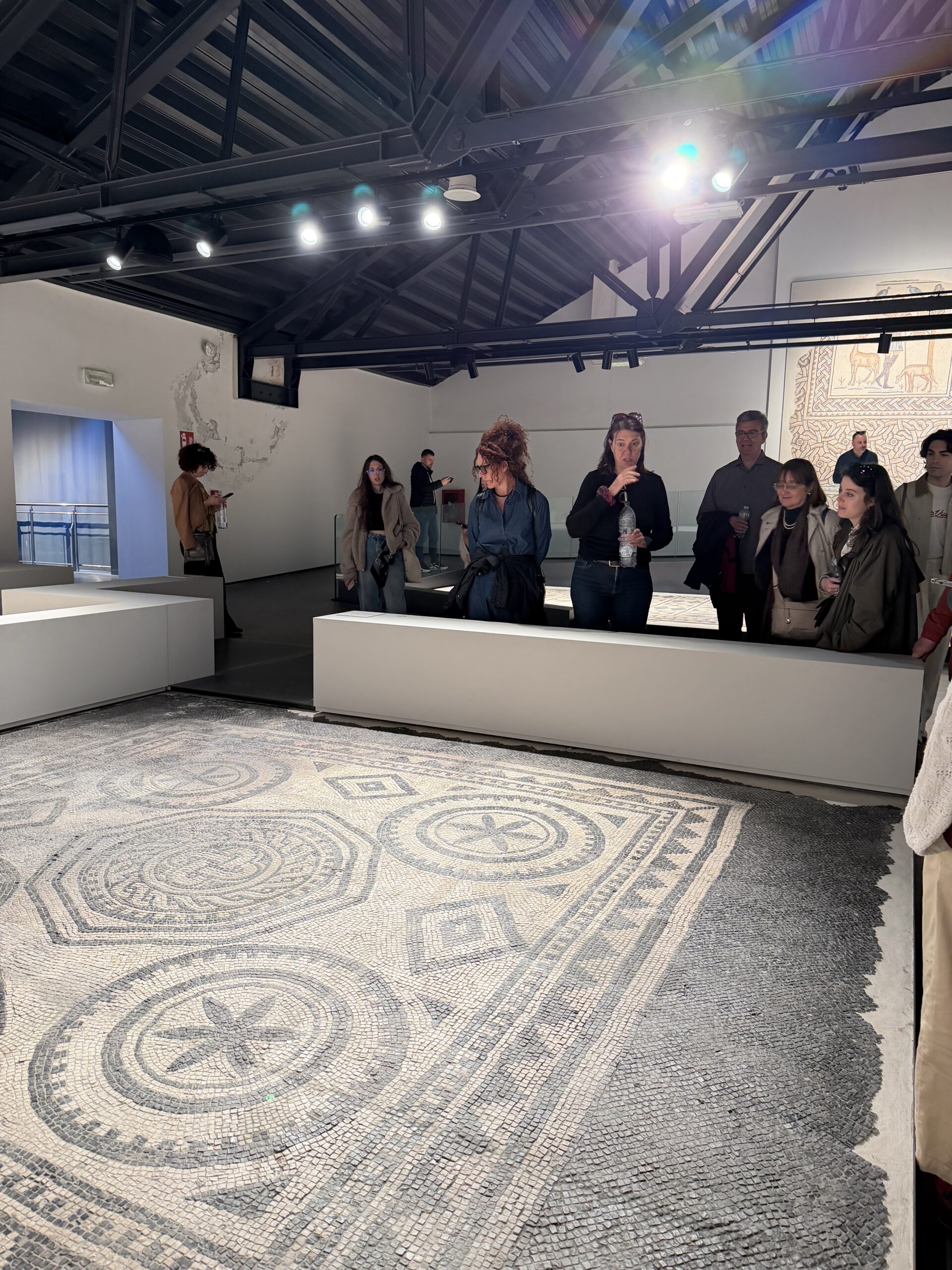
As part of the project “EU for Economic Development – Tourism-led, local economic development, with a focus on Cultural Heritage” (AID 12293), an Albanian delegation participated in an advanced training and study visit programme in Italy, held in Milan and Ravenna from 20 to 24 April 2026.
The programme was organized by the Politecnico di Milano (POLIMI), in collaboration with the University of Tirana, and coordinated by Prof. Nora Lombardini, Prof. Lorenc Bejko and Prof. Iris Pojani.
The programme brought together Albanian students, professionals working in the public cultural heritage sector, and representatives of cultural heritage institutions at both central and local levels, fostering a dynamic exchange between academic knowledge and institutional practice.
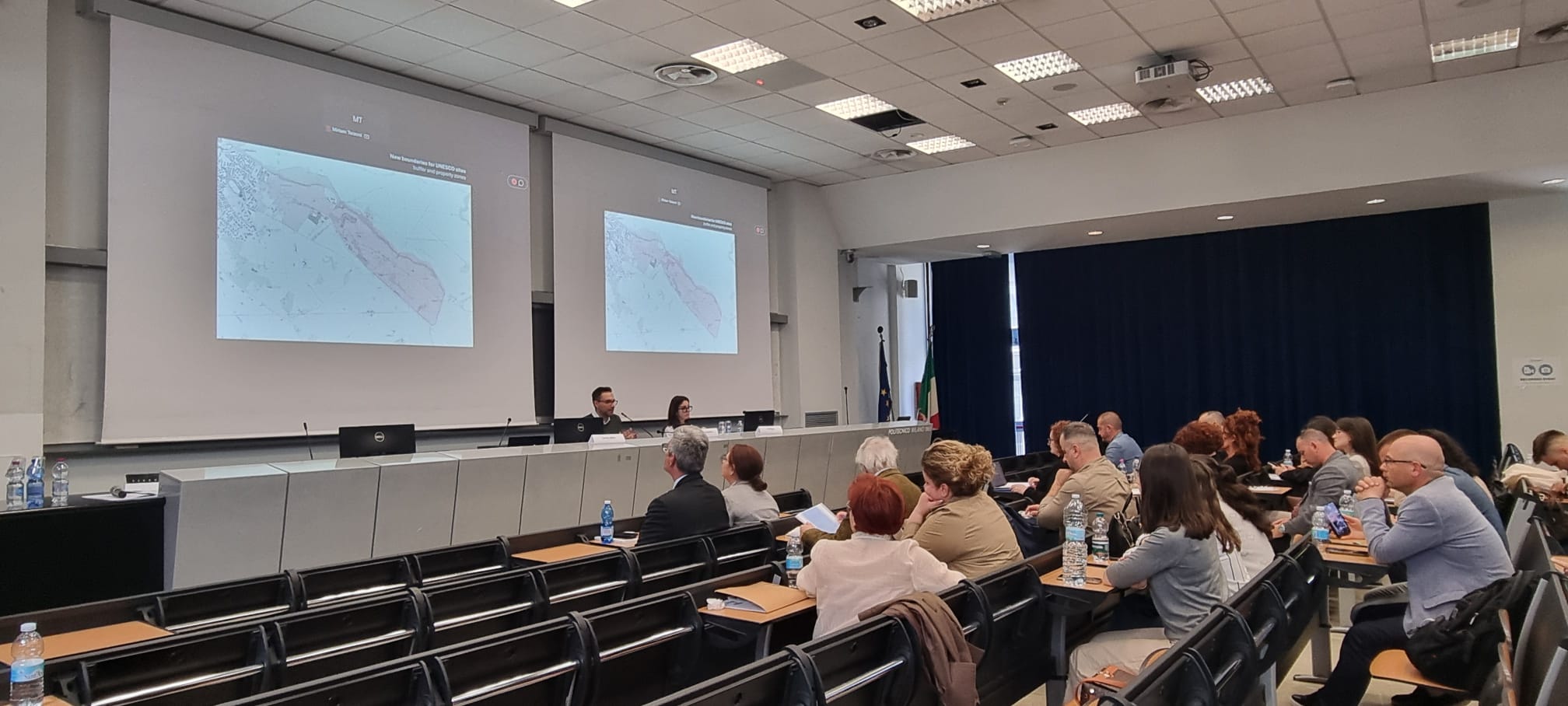
The programme started in Milan with a joint scientific conference, followed by technical sessions in POLIMI laboratories, where participants were introduced to advanced methodologies in conservation, digital documentation and the use of innovative technologies applied to cultural heritage.
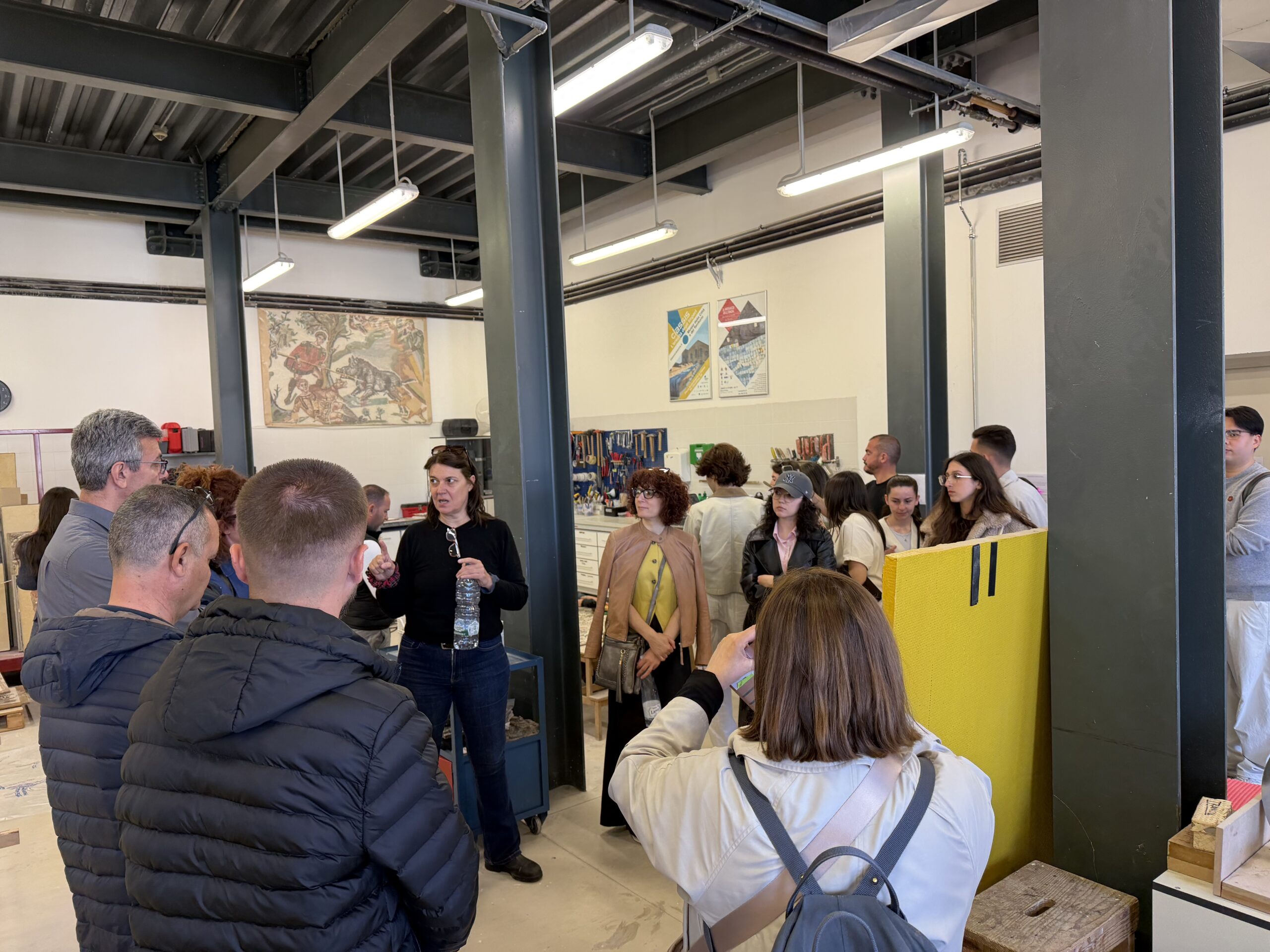
The activities then continued in Ravenna, internationally recognised as a centre of excellence for mosaic conservation. The programme focused on hands-on learning through technical seminars and site visits. Participants visited cultural sites managed by RavennAntica, gaining direct insight into governance models, operational challenges and strategies for heritage valorisation.
A technical visit to the Archaeological Park of Classe and restoration laboratories provided first-hand exposure to conservation processes, including documentation, intervention techniques and preservation methods, particularly in relation to mosaics.
An important component of the mission was the coordination meeting with the Regione Emilia-Romagna and ART-ER, where discussions focused on planning the activities to be implemented on the ground in 2026. In this context, the “Scuola Cantiere” model was identified as a key tool for strengthening practical skills and ensuring the active involvement of local communities.
This exchange of knowledge and experience represents a concrete step towards strengthening institutional and technical capacities in Albania, with direct application to the management and conservation of the Bylis Archaeological Park.